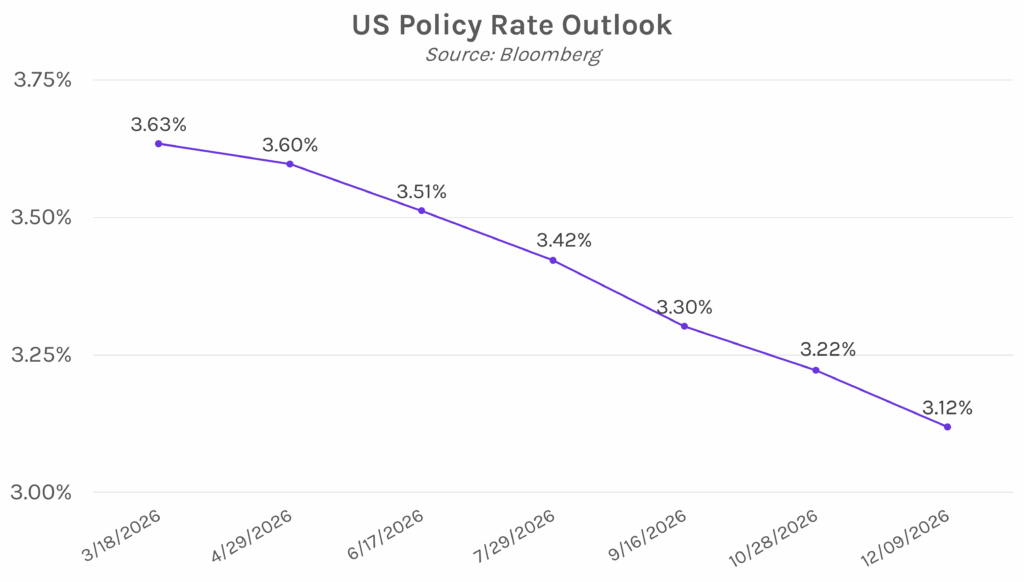
Yields jump on oil-driven inflation risks. Treasury yields soared 7-11 bps across the curve today on inflationary expectations as oil prices surged on supply chain risks from the war in Iran. The move higher was also supported by ISM manufacturing data that saw a strong increase in input prices. Markets are now not fully pricing in a rate cut until September, pushed from July previously, with expectations for only two cuts this year. The 2-year and 10-year yield closed 10 bps higher at 3.48% and 4.03%, respectively, with today’s move marking the 10-year yield’s largest advance since October. Meanwhile, the S&P 500 was largely unchanged today, closing 0.04% higher, with energy and defense names rising.
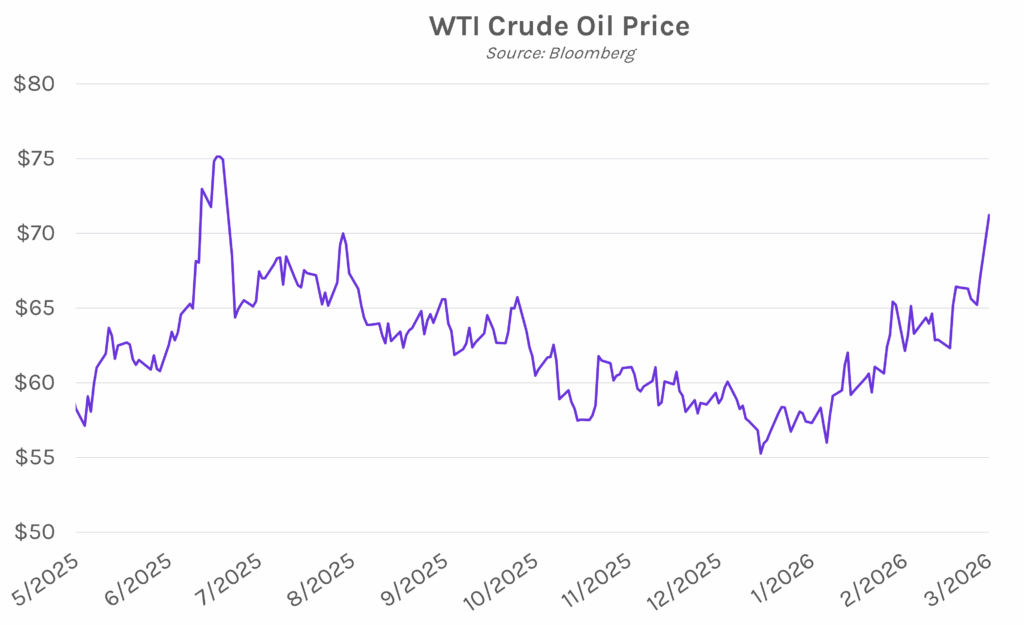
War in Iran hits energy prices, stokes inflation fears. After war broke out in the Middle East this weekend, oil prices have surged, reviving inflation concerns. A top Iranian military official threatened to “set on fire” any ships traveling through the Strait of Hormuz, and the shipping lane’s effective closure has driven up crude prices and reignited fears of sticky inflation. US benchmark West Texas Intermediate (WTI) rose more than 7%, while Brent crude, the international benchmark, jumped roughly 9%, with prices climbing by nearly $6 per barrel. Prior to this weekend’s escalation, oil prices had risen 17% this year, mainly driven by geopolitical tensions. Estimates show the average gas price in the US has jumped five cents since Sunday, approaching $3 per gallon. JPMorgan Chase CEO Jamie Dimon said the conflict would likely “increase gas prices a little bit” but added that, “if it’s not prolonged, it’s not going to be a major inflationary hit.”
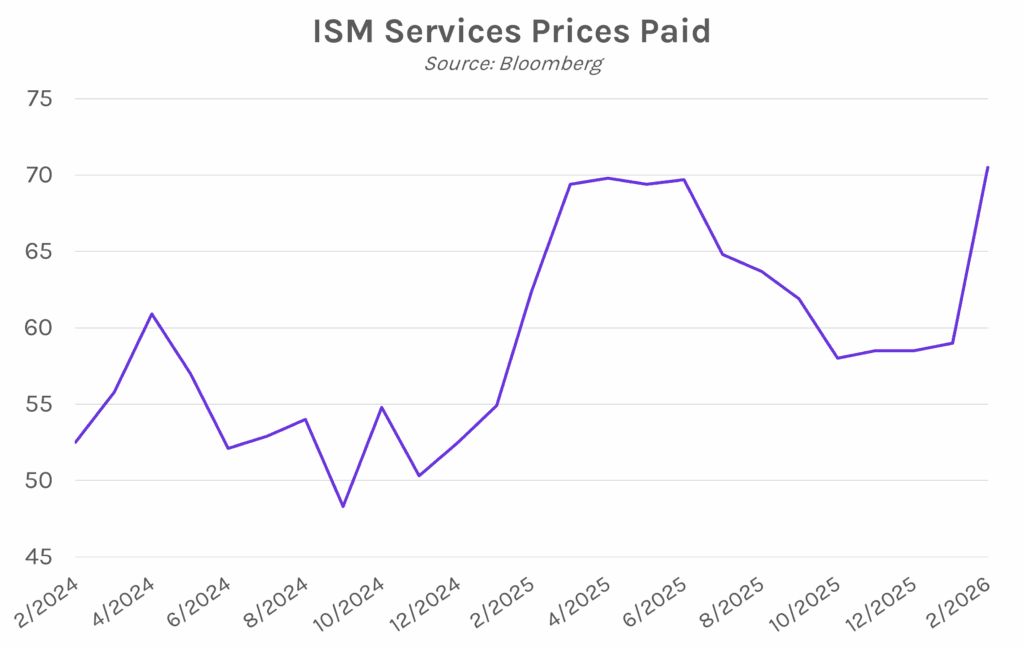
ISM manufacturing remains resilient, though input costs elevated. February ISM manufacturing data released today showed continued expansion at 52.4 versus January’s 52.6. Simultaneously, the prices paid gauge saw its biggest jump since 2022, coming in at 70.5 against expectations of 60. This level is also the highest in nearly four years. Today’s print reflects data prior to the recent airstrikes in the Middle East that unfolded over the weekend, which are likely to drive prices higher as near-term oil prices have soared. Susan Spence, chair of the ISM Manufacturing Business Survey Committee said, “It really does depend on the sector and where they’re importing their raw materials from. In general, supply managers have yet another challenge on their hands.”