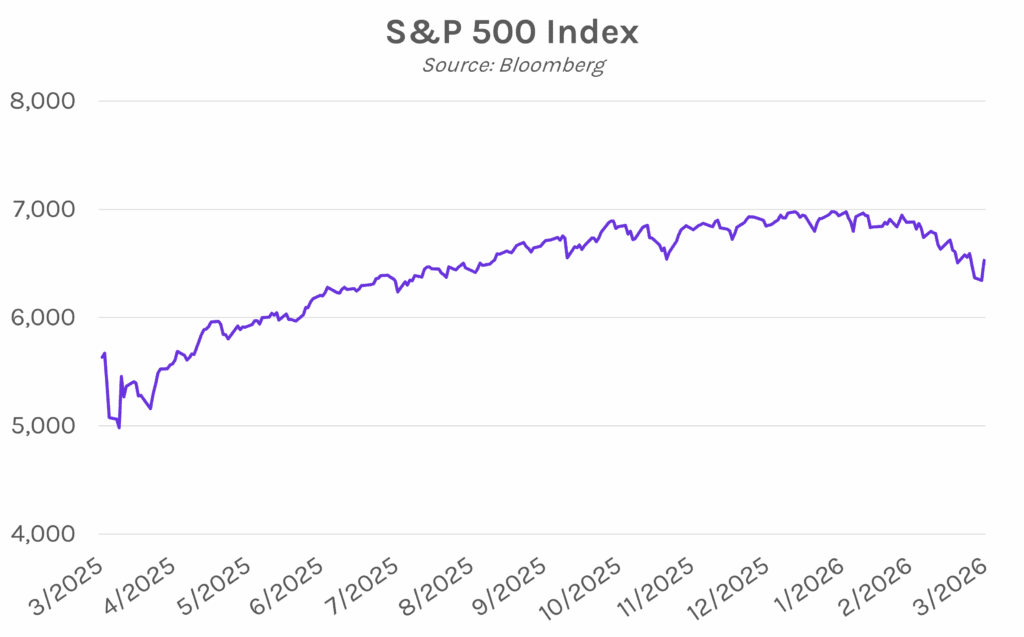
Yields decline on hopes of de-escalation in Iran. Market volatility was relatively muted this morning following generally in-line JOLTS data and a stronger-than-expected consumer confidence print. However, yields dropped ~5 bps to intraday lows after Iranian state media reported that the country’s president signaled readiness to end the conflict. The move reversed relatively quickly, even after President Trump said the U.S. could leave the Middle East in the coming weeks. 2-year and 10-year yields closed 3 bps lower at 3.79% and 4.32%, respectively. Meanwhile, equities rallied on hopes of de-escalation, with the S&P 500 rising 2.91% and the NASDAQ gaining 3.83%.
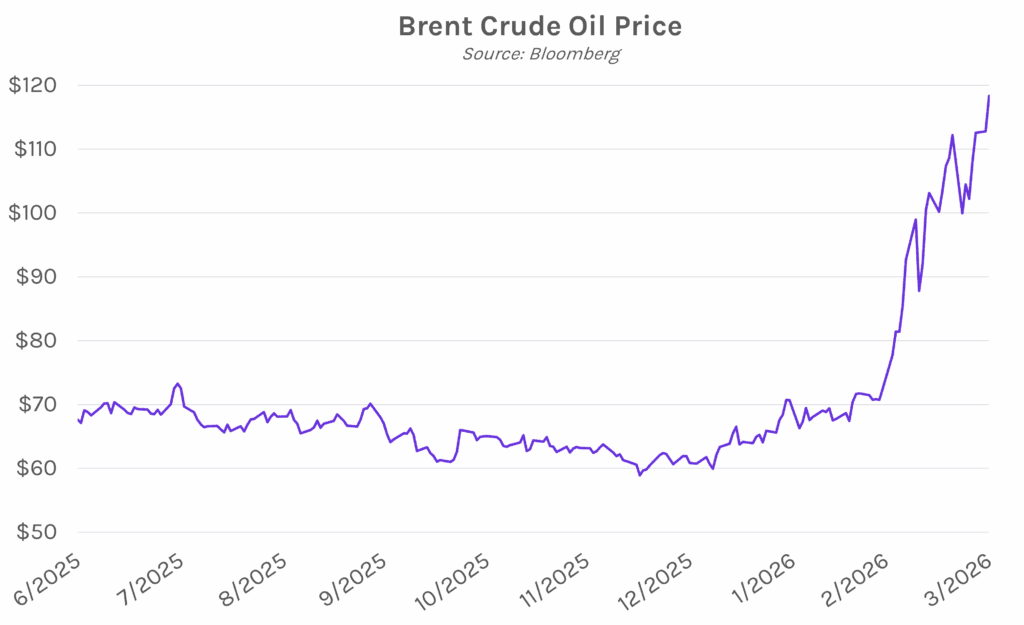
Trump declares US to leave Iran in two to three weeks. President Trump said this afternoon that he believes the US will end the war in Iran within the next “two weeks, maybe three,” adding that “we’ll leave because there’s no reason for us to do this.” He indicated that the US has largely accomplished its military objectives and said he would leave it to other nations to address issues in the Strait of Hormuz. The president said it would still be possible to reach a deal with Tehran during that time, but clarified an agreement is not necessary for the conflict to end. Oil firmed slightly on the news, with Brent crude still closing above $118 per barrel, while the average US gas price surpassed $4 per gallon for the first time since 2022.
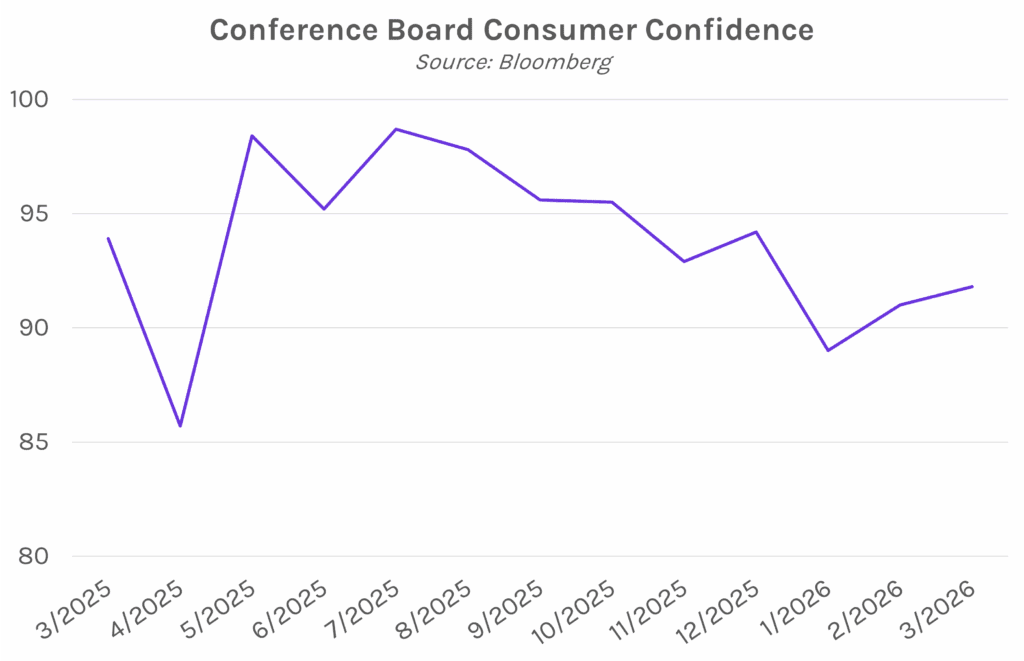
Consumer confidence rises unexpectedly on improved labor market outlook. The Conference Board’s consumer confidence index came in at 91.8 in March, above estimates of 87.9 and the prior month’s downwardly revised 91.0. The surprisingly strong report was driven by consumer optimism about business and labor market conditions, with more respondents reporting that job opportunities are plentiful. The present situation index rose to 123.3, above estimates of 118.0, though a measure of consumer outlook over the next six months fell to 70.9 in March from 72.6 previously.