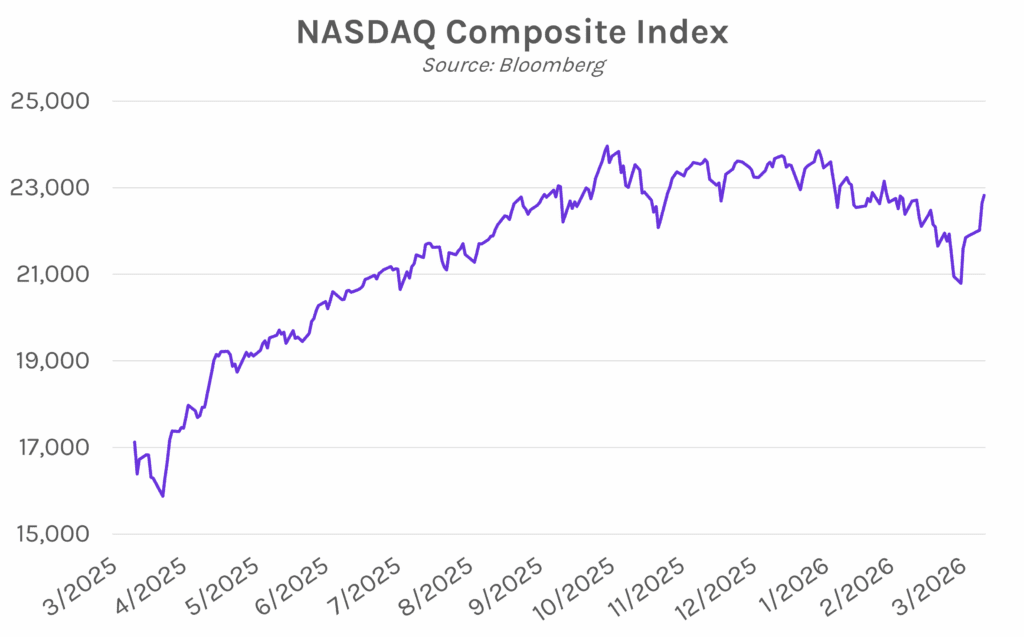
Yields decline on renewed ceasefire hopes despite continued strikes in the Middle East. Treasury yields climbed to intraday highs this morning on increasing doubts that the two-week US-Iran ceasefire would hold. However, yields plummeted ~6 bps on news that President Trump asked Israel to reduce bombings in Lebanon and that Israel agreed to engage in direct talks, alleviating some of the concerns. The 2-year yield closed 2 bps lower at 3.77% while the 30-year yield closed nearly flat at 4.88%. Equities extended their rally for the seventh consecutive day, with the S&P 500 and NASDAQ closing 0.62% and 0.83% higher, respectively.
Israel’s continued attacks on Lebanon test ceasefire agreement. Israeli Prime Minister Benjamin Netanyahu said today that “there is no cease-fire in Lebanon,” adding that his country would continue to target Hezbollah. Netanyahu’s statement came hours after he said Israel would begin negotiations with Lebanon, though the situation is complicated by the fact that the Lebanese government does not exercise control over Hezbollah, an Iran-backed militant group. Meanwhile, Hezbollah agrees with Lebanon and Iran that Lebanon is covered by the US-Iran ceasefire, a fact disputed by both the US and Israel. The US and Iran appear to have halted most direct strikes since their truce took effect, but Israel’s continued attacks in Lebanon have tested the ceasefire agreement and complicated diplomatic negotiations.
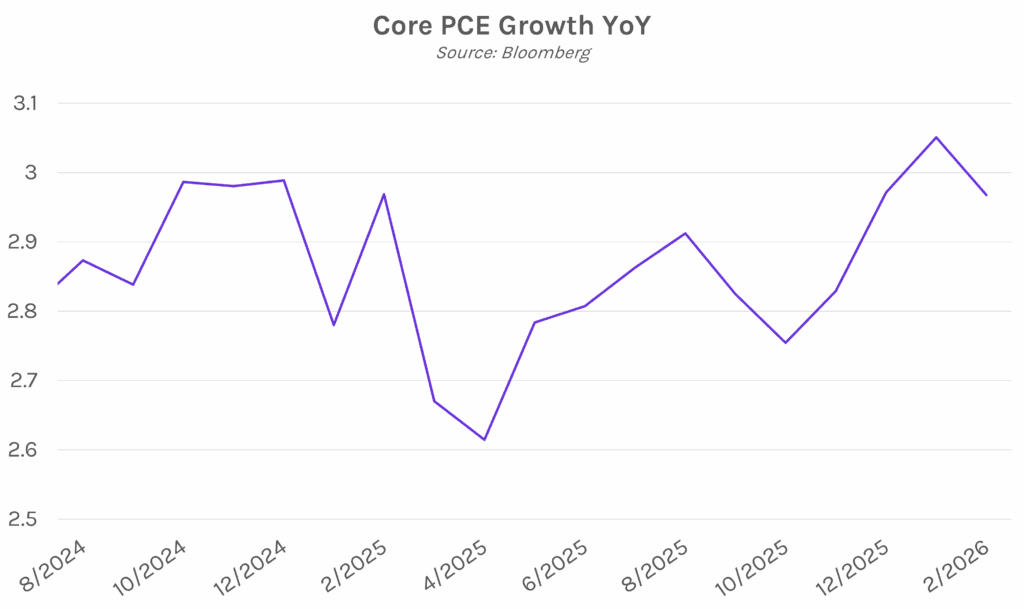
Pre-war inflation remained elevated, consumer spending stagnant. Core PCE, the Fed’s preferred inflation gauge, rose 0.4% MoM and 3% YoY in February, well above the Fed’s 2% long-term target. Amid stubbornly elevated inflation, consumer spending came in at 0.5%, below expectations of 0.6%. Meanwhile, inflation-adjusted consumer spending rose just 0.1% in February. Elizabeth Renter, senior economist at NerdWallet, said, “When households are in the midst of or are anticipating financial hardship, they pull back on spending in an act of self-preservation.” As today’s data predates the Iran War, tomorrow’s March CPI report will provide a more up-to-date look on how the war and elevated energy prices have impacted inflation.