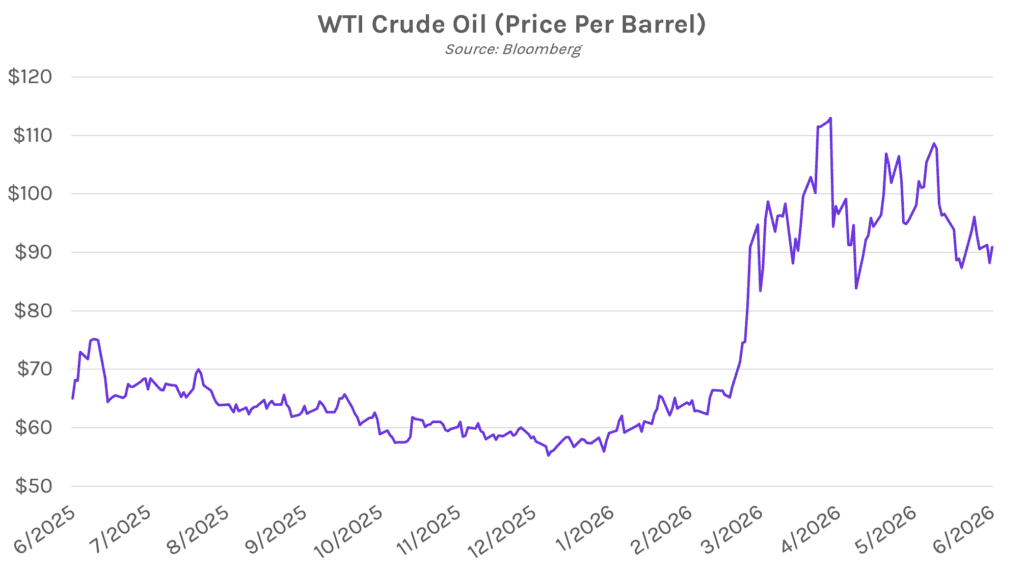
Yields edge higher as tensions ramp up in Iran. Treasury yields rose across the curve today as President Trump vowed imminent attacks on Iran, and Iranian media reported that Tehran would hit new US targets. The 2-year yield closed 3 bps higher at 4.14%, while the 10-year yield traded 4 bps higher at 4.55%. Meanwhile, equities declined as risk sentiment soured and technology names sold off, with the S&P 500 and NASDAQ closing 1.62% and 1.98% lower, respectively. Oil extended its climb on the escalation in the Middle East, with WTI crude settling at $90 per barrel, up ~2% from yesterday’s close.
US-Iran fighting intensifies. The US launched attacks on Iran overnight in what President Trump called retaliation for Iran shooting down a US helicopter. Today, Trump pledged to strike again, accusing Tehran of taking too long to reach an interim deal and warning they would “pay the price.” Iran retaliated as well, as it struck US targets across the region and said it would hit new American targets. The clashes mark the most intense fighting between the two sides in weeks, putting stress on the ceasefire. Despite the attacks straining negotiations, talks appear ongoing as a Qatari mediation delegation arrived in Tehran on Wednesday.
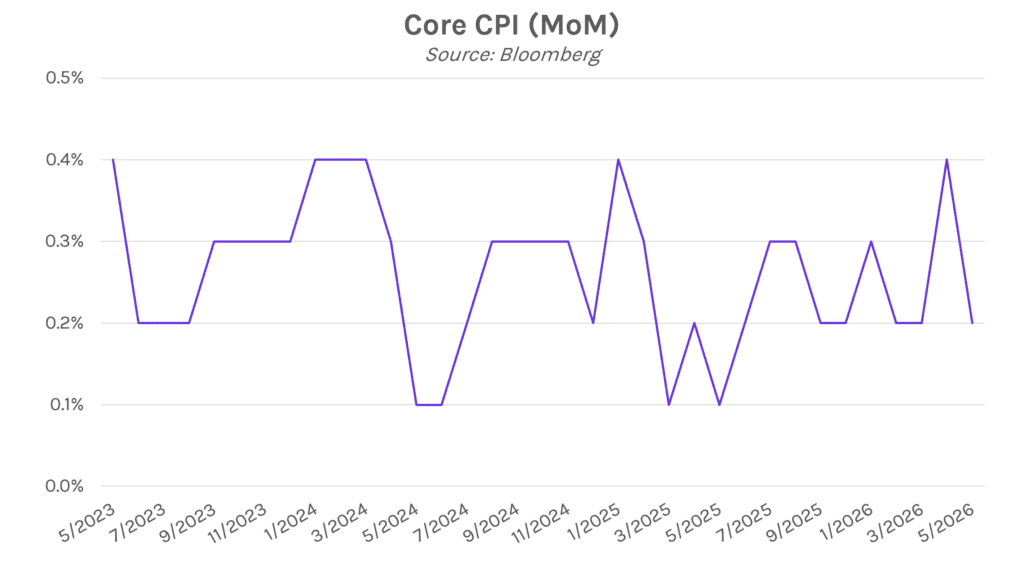
Headline CPI accelerates on energy, while core CPI lands softer than expected. The consumer price index rose 0.5% in May and 4.2% on an annualized basis, the fastest pace since early 2023, as energy costs remain elevated due to the Iran war. Meanwhile, core CPI, which excludes the volatile food and energy categories, came in softer than expected at 0.2% MoM and 2.9% YoY. The split reinforced that the recent pickup in prices has been largely concentrated in energy costs, though EY-Parthenon Chief Economist Gregory Daco warned, “The longer the Middle East conflict persists, the broader and more persistent inflationary pressures are likely to become.” Despite the surge in energy costs, some categories, such as transportation services, health insurance, and new vehicles decreased.