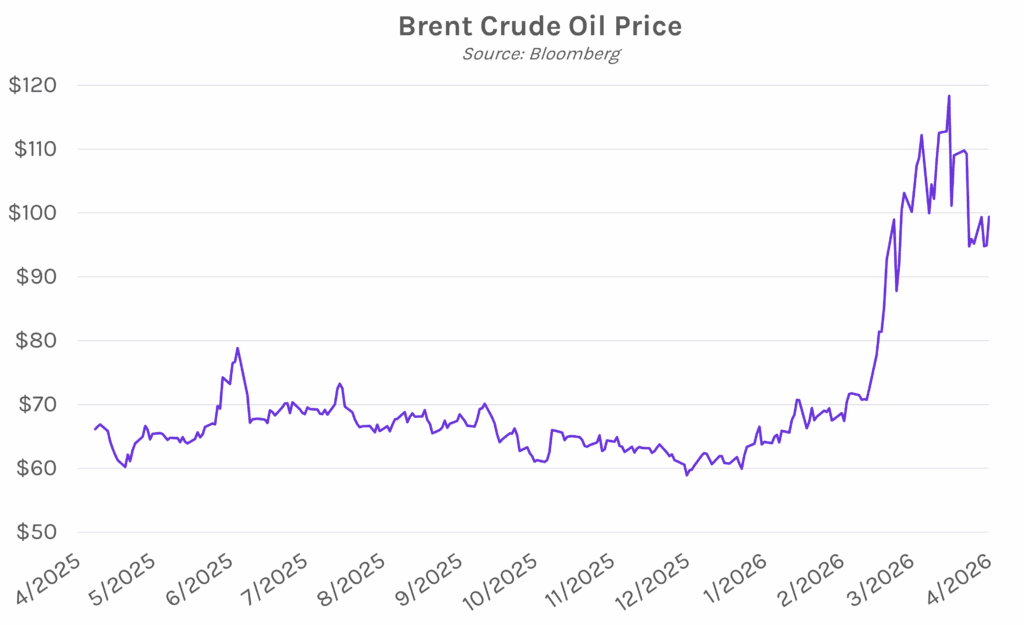
Yields higher as US-Iran deal optimism fades. The yield curve bear steepened today after some Gulf Arab and European officials expressed their belief that it will take six months for a US-Iran peace deal to be finalized. The 2-year yield closed 1bp higher at 3.77% while the 30-year yield closed 4 bps higher at 4.93%. Meanwhile, equities continued to rally despite concerns that the Iran War will drag on, with the S&P 500 and NASDAQ closing 0.26% and 0.36% higher, respectively. Brent crude climbed on the peace deal doubts, up nearly 3.5% on the day and trading around $99 per barrel.
Israel-Lebanon agree to temporary ceasefire, US-Iran negotiations continue. President Donald Trump announced today that Israel and Lebanon agreed to a 10-day peace deal, a key turn of events after Iran cited Israeli strikes in Lebanon as having broken the US-Iran ceasefire. Israeli Prime Minister Benjamin Netanyahu followed with a message that he will work towards a “historic peace agreement” with Lebanon. Meanwhile, Trump expressed optimism for a permanent ceasefire agreement between the US and Iran; Trump told reporters that talks could resume this weekend and that “it’s looking very good that we’re going to make a deal with Iran, and it’s going to be a good deal.” Despite his optimism, several Gulf Arab and European leaders have doubts over an imminent resolution and believe that it will take around six months to reach an agreement. According to anonymous officials, these leaders are largely against continued fighting and would want a longer ceasefire agreement to allow diplomatic talks between the US and Iran.
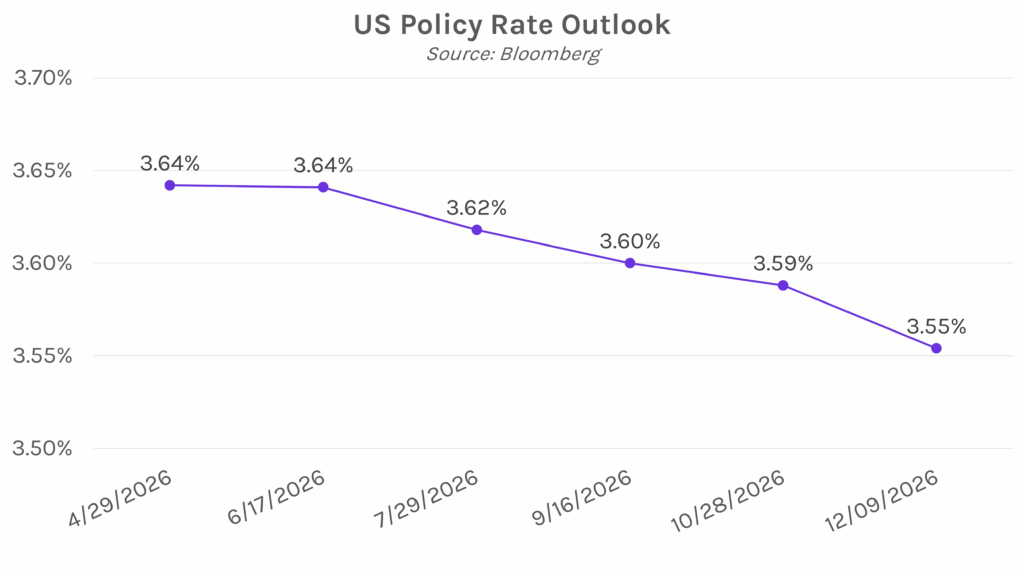
Fed’s Williams highlights policy uncertainty. New York Fed President John Williams said the current macro environment should keep Fed officials from sharing strong guidance on future policy rate decisions. Williams shared, “Given all the different things that keep changing day to day, week to week, it doesn’t make sense for us to try to be giving strong forward guidance.” Williams expressed that while he currently believes policy rates are well positioned in the near-term for inflationary shocks from the Iran War, the lasting consequences are difficult to forecast. The next FOMC meeting is taking place April 28-29, and some Fed officials have already signaled that they are likely to hold rates steady once again.