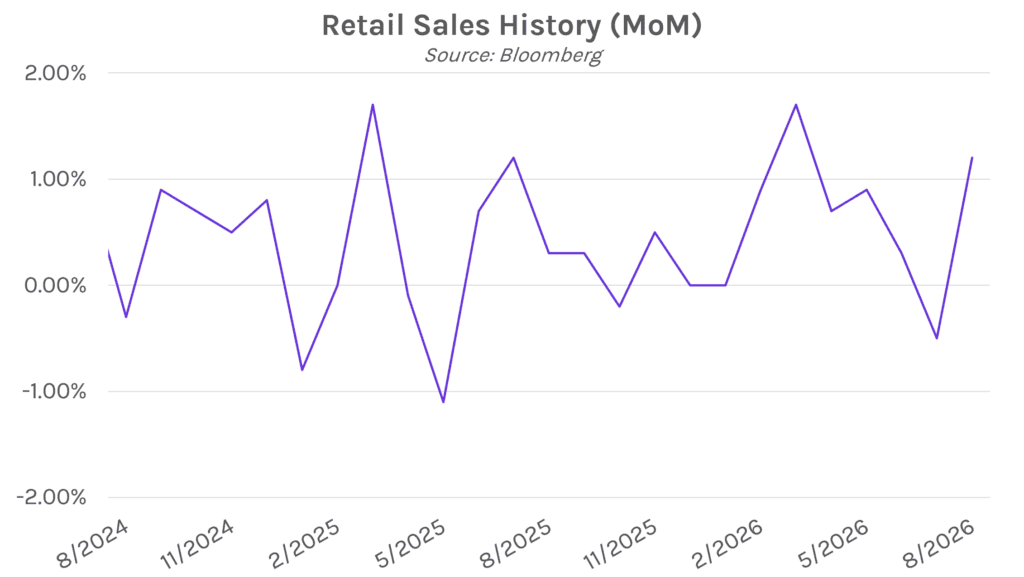
Yields rise on hawkish Fed outlook. Treasury yields declined ahead of today’s Fed decision before moving sharply higher following the quarter-point hike and accompanying hawkish commentary, flattening the curve. The 2-year yield closed 7 bps higher at 4.74%, while the 10-year closed 2 bps higher at 5.02%. Markets are fully pricing in another quarter-point hike by year end, with a 53% chance of that coming in October, just ahead of US midterm elections. Equities declined on signals of a more restrictive Fed, with the S&P 500 closing 0.45% lower. Brent crude closed near $106 a barrel, receding on hopes that Saudi Arabia could reinstate 50% capacity of its East-West oil pipeline within days.
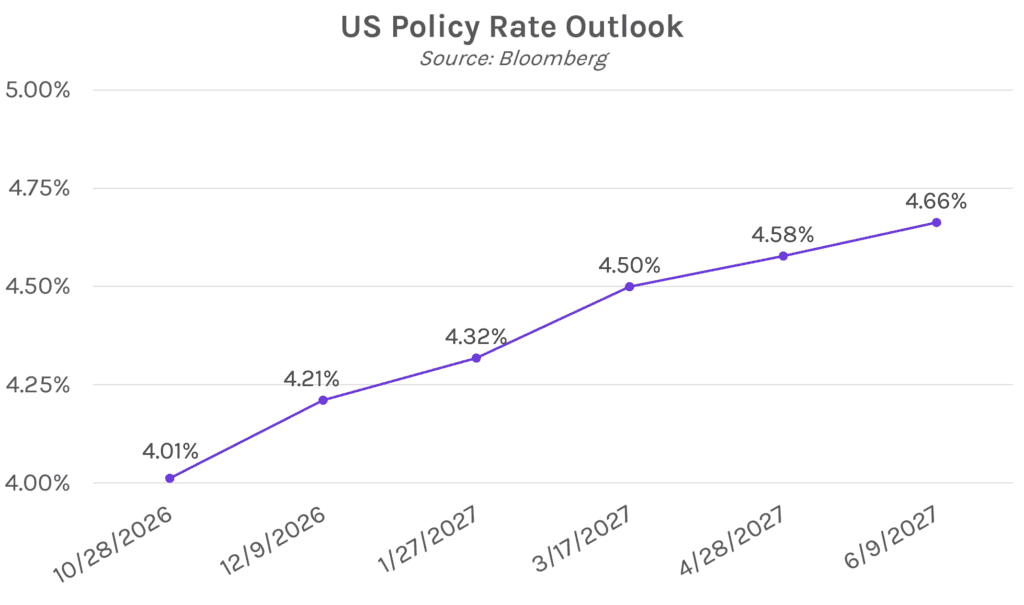
Fed hikes for first time since 2023, releases hawkish dot plot. In a unanimous decision, the Fed voted to raise its target rate by 25 bps to 3.75–4.00%, the first hike since July 2023. The quarterly dot plot signaled a hawkish outlook, with 16 officials expecting at least one additional hike in 2026. The median forecast showed no further hikes in 2027, though eight policymakers favor one quarter-point increase next year. Chair Warsh again declined to submit a rate projection, consistent with his stance of limited forward guidance. In his post-meeting remarks, Warsh reiterated concerns about elevated inflation, saying today’s decision removed just a “dose of accommodation,” and adding that “this summer’s inflation readings do not tell me that underlying trends have meaningfully improved.” The full FOMC statement with a side-by-side comparison from the prior meeting can be read here.
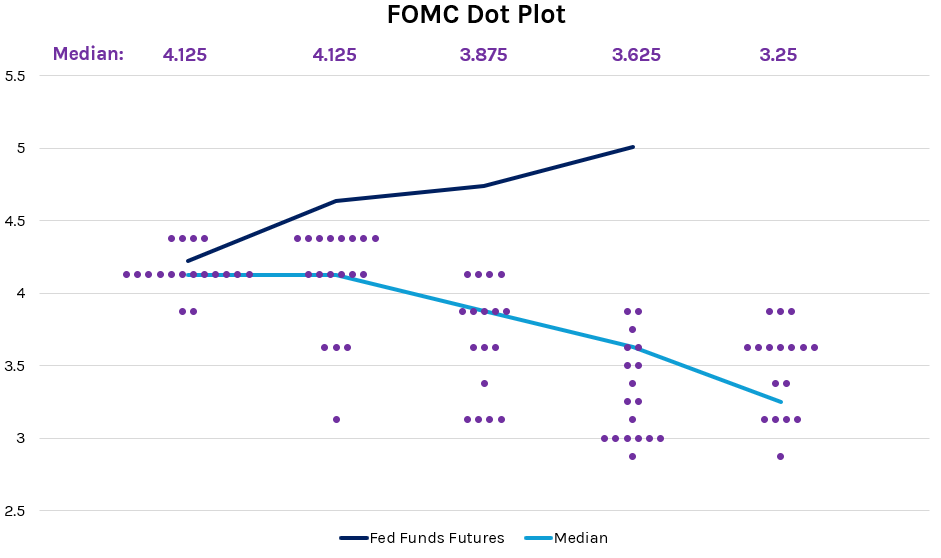
Retail sales show resilient consumer spending. Headline retail sales rose 1.2% in August, beating expectations of 0.8% and reversing a downwardly revised 0.5% decline in July. Marking the largest monthly increase since March, twelve of thirteen retail categories posted gains, bolstered by back-to-school shopping, while spending at bars and restaurants also rose. Retail sales data are not inflation-adjusted, with gas station spending up 3.1%, driven by a 3.9% MoM rise in US gasoline prices. James McCann, senior economist at Edward Jones, described the stronger-than-expected print as helping to “provide some reassurance around the resilience of the US economy in the face of…higher interest rates, a renewed spike in oil prices, [and] trade disruptions.”