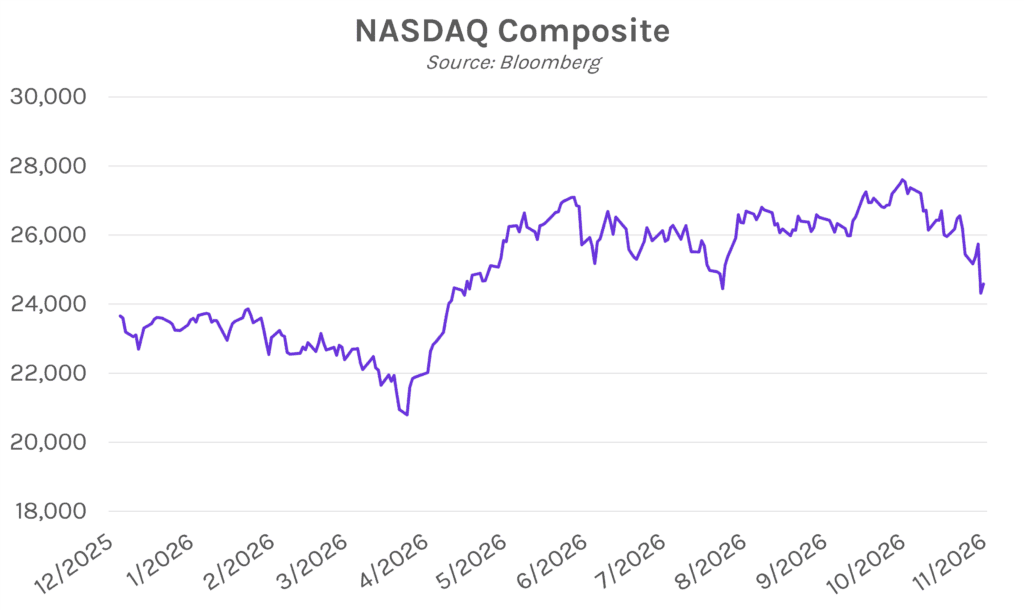
Yields rise on strong jobs report. Despite a choppy session, Treasury yields climbed today on the back of strong October labor data that provides more room for Fed officials to focus on inflation. The 2-year yield closed 5 bps higher at 4.51% (down 8 bps on the week), while the 10-year closed 2 bps higher at 4.86% (down 7 bps on the week). Meanwhile, equities rebounded slightly from yesterday’s sell-off, with the S&P 500 and NASDAQ closing 0.31% and 1.09% higher, respectively.
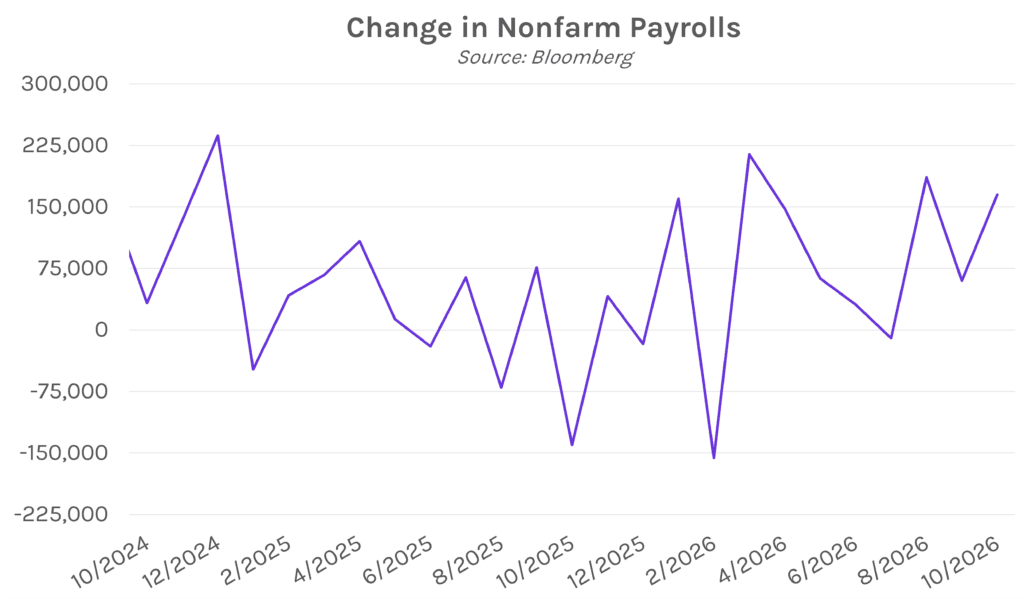
October labor date blows past expectations. Nonfarm payrolls rose by 165k jobs last month, surpassing estimates of 70k and September’s upwardly revised 60k gain. Private payrolls also increased 159k, beating the 65k estimated and posting the strongest level since March. Meanwhile, the unemployment rate edged lower to 4.1% from 4.2% previously. A wide range of sectors added jobs, including professional and business services, healthcare, and manufacturing. Oscar Munoz, head of US economics at TD Securities, said, “This should allow the Fed to continue focusing on inflation and what’s happening in financial markets.” Futures markets now have nearly two rate hikes priced in over the next year, compared to one yesterday.
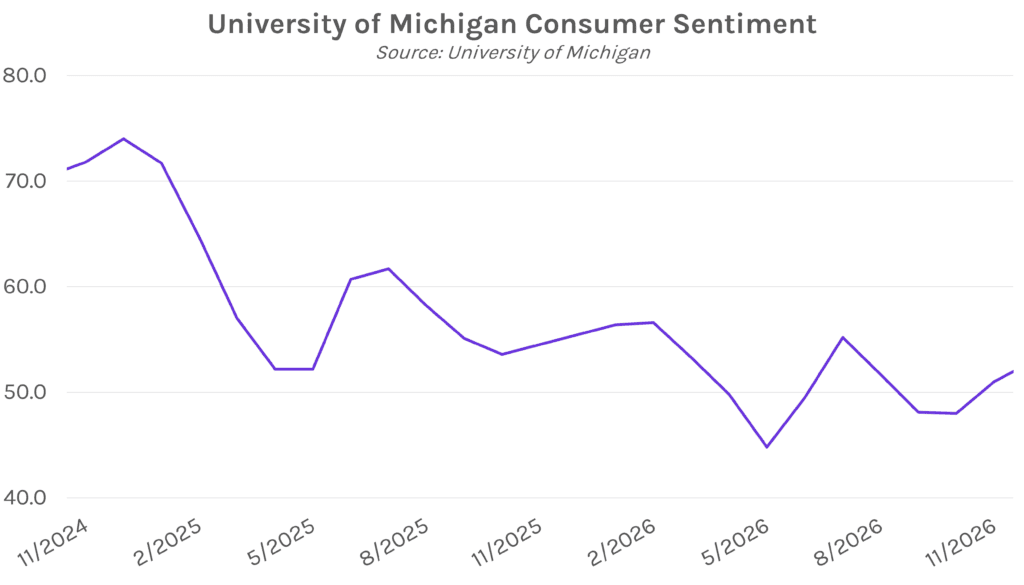
Consumer sentiment climbs to three-month high. University of Michigan data showed consumer sentiment rose to 51 in its preliminary November reading, above expectations and the prior reading of 48. The increase was largely driven by Independents, who reported the strongest sentiment in over a year, while the outlook from Democrats and Republicans waned. Elevated costs remain top of mind for most consumers, though inflation expectations eased slightly, with prices expected to rise 4.3% in the near-term, a three-month low and down from 4.7% previously. Concerns over a possible AI bubble also weigh on consumers, with Joanne Hsu, the survey director, saying, “The personal finances of consumers with the largest stock portfolios dropped 12% this month to their lowest reading since April, likely due to agitation in stock values in recent weeks, while all other wealth groups saw modest improvements.”