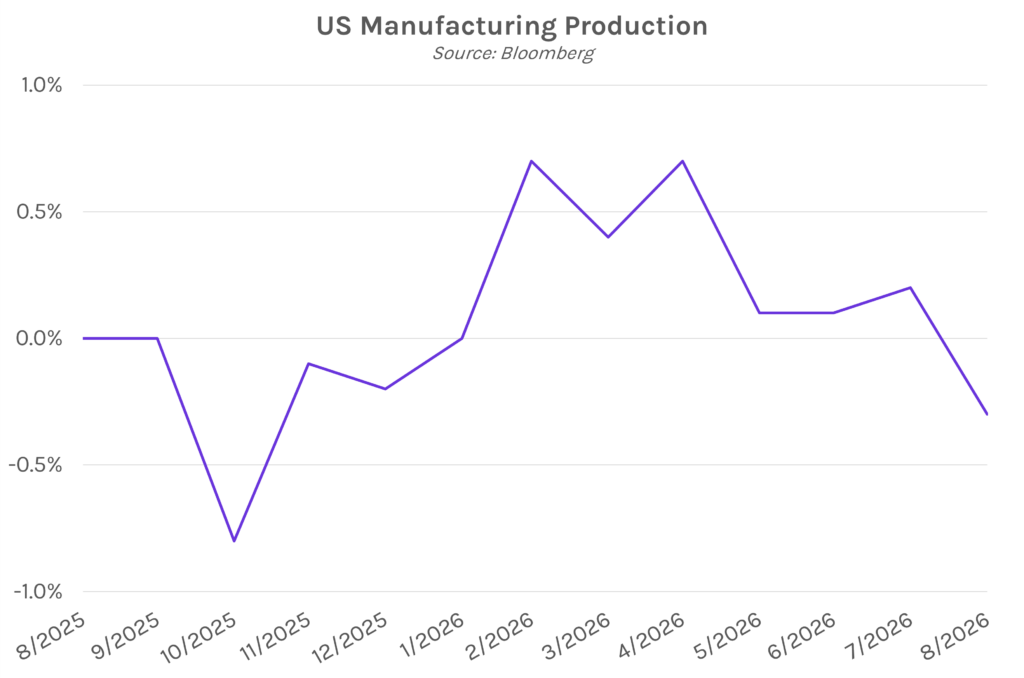
Yields climb as long-term energy concerns persist. Treasury yields climbed throughout the session as oil prices, still well above pre-war levels despite recent declines, kept longer-term inflation concerns elevated. WTI settled just above $100 per barrel. The 2-year yield closed 8 bps higher at 4.74% (up 11 bps on the week), while the 10-year closed 7 bps higher at 5.00% (up 3 bps on the week). Despite headwinds from rising yields, the S&P 500 and NASDAQ closed 0.17% and 0.39% higher, respectively.
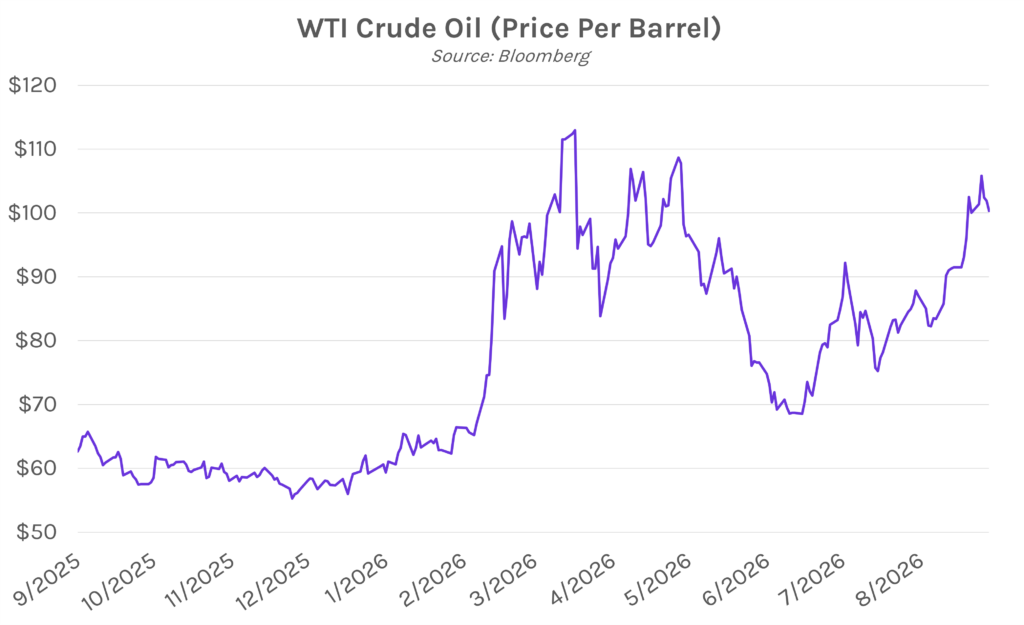
BOJ benchmark rate hits 31-year high. The Bank of Japan raised its benchmark rate a quarter point overnight to 1.25%, the highest since 1995 and the sixth hike in two and a half years, coming just three months after the last. Two dissents from appointees of Prime Minister Sanae Takaichi, who prioritizes economic growth over inflation, led markets to read the decision as a dovish hike. Takaichi will appoint two new board members next year, replacing the most hawkish current officials; however, she also remains under pressure from US Treasury Secretary Bessent, whose recent currency intervention helped the yen recover from multi-year lows. Atsushi Takeuchi, a former head of the BOJ’s foreign exchange division, noted that “Japan has the weakest inflation pressure compared with US and Europe,” adding that the “BOJ will lose” if it hikes at the same pace as other central banks.
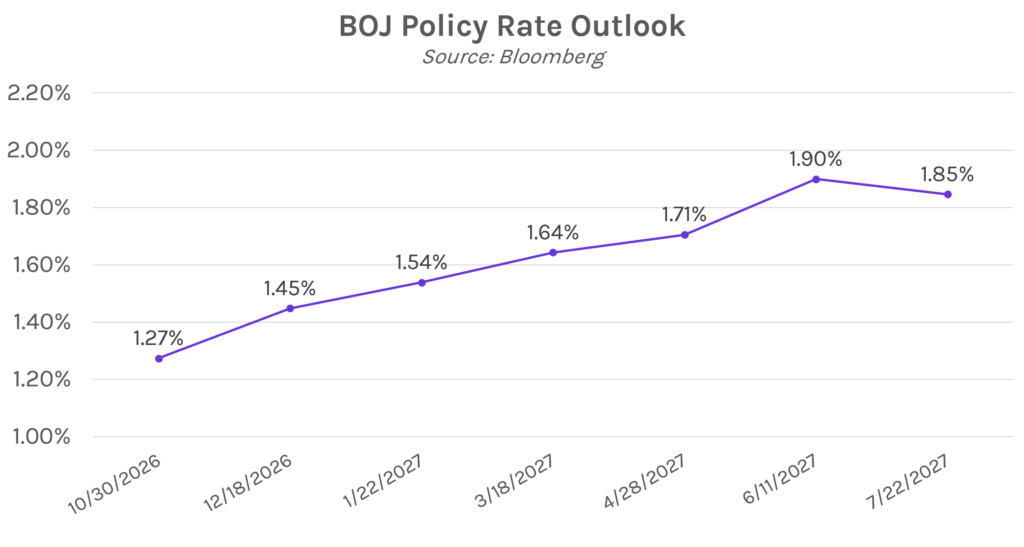
US manufacturing production unexpectedly contracts. Federal Reserve data showed US manufacturing production declined 0.3% in August, a miss against forecasts of a 0.3% rise. The decline was driven by falling production of business equipment, higher material and oil costs, and broader supply disruptions. US manufacturing had expanded steadily through the year, with August marking the first contraction of 2026. Meanwhile, total industrial production, which includes mining and utilities, was flat against the prior month, below estimates of a 0.3% rise and the prior period’s 0.2% gain.